

Mortgages, Money and Margins – Top Tips for Financial Flexibility
by Sam Davis
It has been over three years now since I started my journey of self-employment. From working full-time and receiving my monthly pay packet – on time, every month – I moved into a world of uncertainty but excitement, with no guarantees of success. Fortunately, I have managed to make my business work, and whilst it is in a relatively healthy position at this point in time, I can’t say it has been without it’s difficulties.
Along the way, I have encountered a number of hurdles, gained invaluable experience, and have learned some incredible life lessons. In this series of articles, I continue to share some tips and general nuggets that I have picked up from this adventure – many of which a budding web developer or sole trader might find handy ahead of taking the leap!
« Points 1 & 2: Lifestyle Misconceptions
3. Sort your accounting procedures from the very beginning!
If you’re concerned about accounting and all the monetary logistics that goes with it, it is recommended that you speak to an accountant beforehand to discuss the types of expenses you can claim, as well as handy tips which can reduce your tax bill.
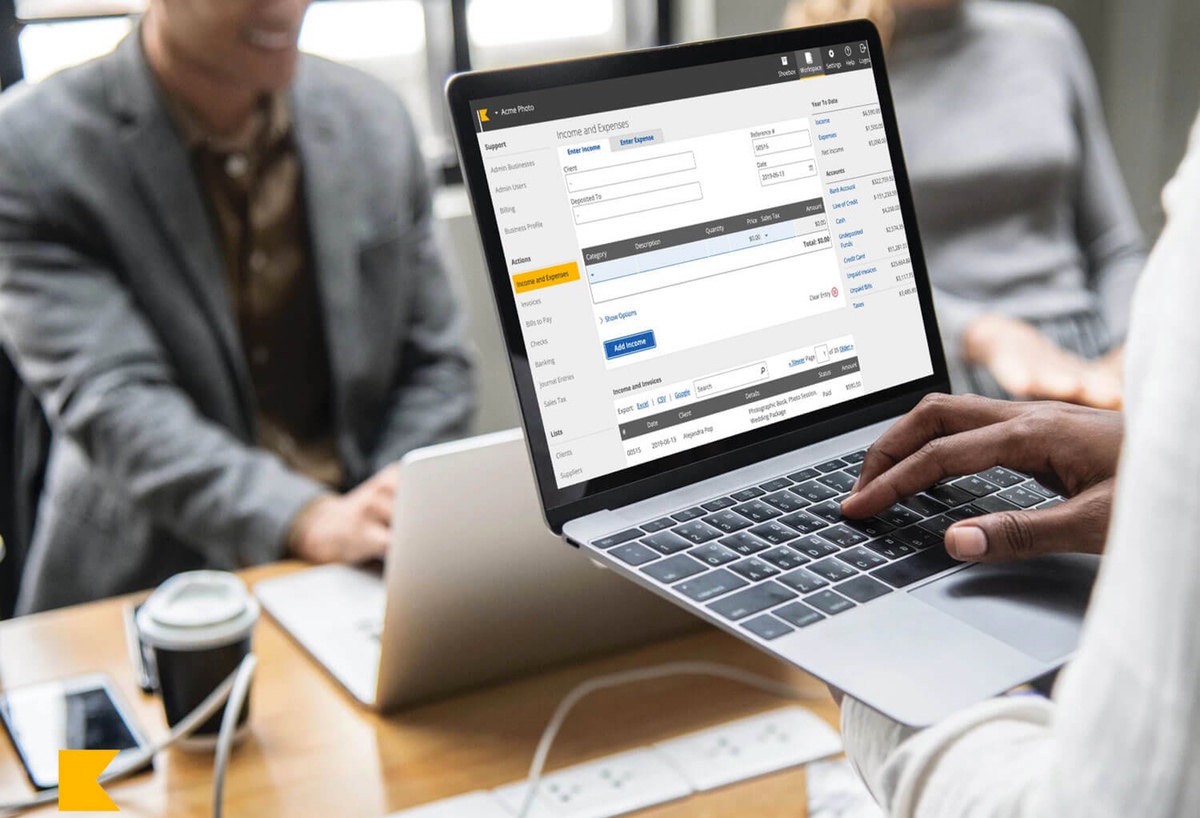
Of course, they will probably want to push their own annual book-keeping services on to you, however it should noted that there are some wonderful services out there such as FreeAgent, which are designed to be your right-hand-man in terms of the financial side of the business.
You may decide, like me, to take the accountants advice initially and proceed to manage your finances yourself.
You can log invoices, expenses, time tracking, and submit your tax return all via this platform – therefore you may decide, like me, to take the accountants advice initially and proceed to manage your finances yourself after knowing what to log and what not to log! FreeAgent manages your income and outgoings in a really simple to use layout – connecting up to one or more bank feeds, therefore giving you an automated way to monitor what goes in and out of your bank account. If you have invoices that you have created through the system, it will automatically allocate the invoice to the incoming payment, and therefore will stop niggling your client for payment accordingly.
I wrote a blog post a couple of years ago which has detailed how useful FreeAgent has been for me. Amazingly, a significant amount of people still use spreadsheets to enter income, manually producing invoices on Microsoft Word, whilst having another Excel sheet set up in order to log their expenses. Not only is this laborious, it also makes it very difficult to interpret financial projections and cash-flow, so this is why FreeAgent is definitely the way forward for financial flexibility.
4. Plan for your own personal future
Are you planning on moving house in the next few years? If so, you should gain professional advice on what you should be doing with regards to logging your expenses. It an issue that has affected me recently, because ultimately, whilst you may be earning – say, £40k in a year, if you’re also claiming business expenses of £20k (as a wild example), this will affect your gross profit margin, so when you go to the bank armed with your SA302 form that you have printed from HMRC or your commercial accounting software, THAT will be the figure they are looking at, and NOT your turnover.
You need to really weigh up whether this is an essential business liability or one of those do I/don’t I “convenient” expenses.
Therefore, if you’re planning a business trip for the week which will set you back a cool couple of grand, you need to really weigh up whether this is an essential business liability or one of those do I/don’t I “convenient” expenses which would otherwise lower your tax bill. If the latter, you may consider NOT logging an expense for it, because, whilst you’ll be paying that little more tax by not documenting it, at least it will not put a significant dent in the income figures that your bank will be looking at in order to determine your financial fate!
Obviously, the amount of gross profit is a major factor that will determine the amount you can borrow – and you usually need three year’s proof of good financial showings in order to borrow anything close to what you would be if you were employed and paying tax via PAYE. In this regard, it’s definitely worth planning as much as possible to make sure your finances appear to be healthier than they actually are.
Points 5 & 6: Payment Terms & Lip Service »

Sam Davis
I am fanatical about providing useful web experiences, via bespoke websites which engage, inform and entertain. I have been making websites since a young age, and am a keen supporter of AFC Bournemouth.